Register
| Registration Type | Fee |
|---|---|
| State & government agencies, non-profit organizations, tribal agencies | $749 |
| Private Employers | $799 |
Registration includes: lunch, parking*, breaks and instruction.
*Attendees will be emailed a coupon code for campus parking approximately 2 weeks before the event.
UWL Continuing Education Units (CEUs)
2.075 CEUs/20.75 Contact Hours
Continuing Education Units are a means of recognizing and recording satisfactory participation in non-degree programs. University of Wisconsin-La Crosse (UWL) awards one CEU for each 10 contact hours in a continuing education experience. Actual contact hours are recorded. CEUs are offered at no additional charge, through UWL. UWL CEUs fulfill continuing education requirements for many professionals, agencies and organizations. Professional associations may have specific licensing requirements. Individuals should contact their licensing association before assuming UWL CEUs will fulfill all requirements. UWL keeps records of individual CEUs for three years of programming. Certificates are emailed within two weeks of the conclusion of each program. You may request duplicate CEU certificates in writing to ex@uwlax.edu.
Cancellation policy
Substitutions welcome. Full refund less $50 processing fee two weeks prior to event, no refunds thereafter. Cancellations must be submitted in writing to: ex@uwlax.edu.
Agenda
| Time | Session Description |
|---|---|
| 8–8:30 a.m. | Sign-in |
| 8:30–8:45 a.m. | Introduction of instructors and participants |
| 8:45–10:30 a.m. |
Introduction to the Grasses, Sedges and Rushes Course objectives:
|
| 10:30–10:45 a.m. | Break |
| 10:45 a.m.–Noon | Introduction to the Grasses, Sedges and Rushes (continued) Overview of Common Upland Sedges and Grasses |
| Noon–12:30 p.m. | Lunch |
| 12:30–4:30 p.m. |
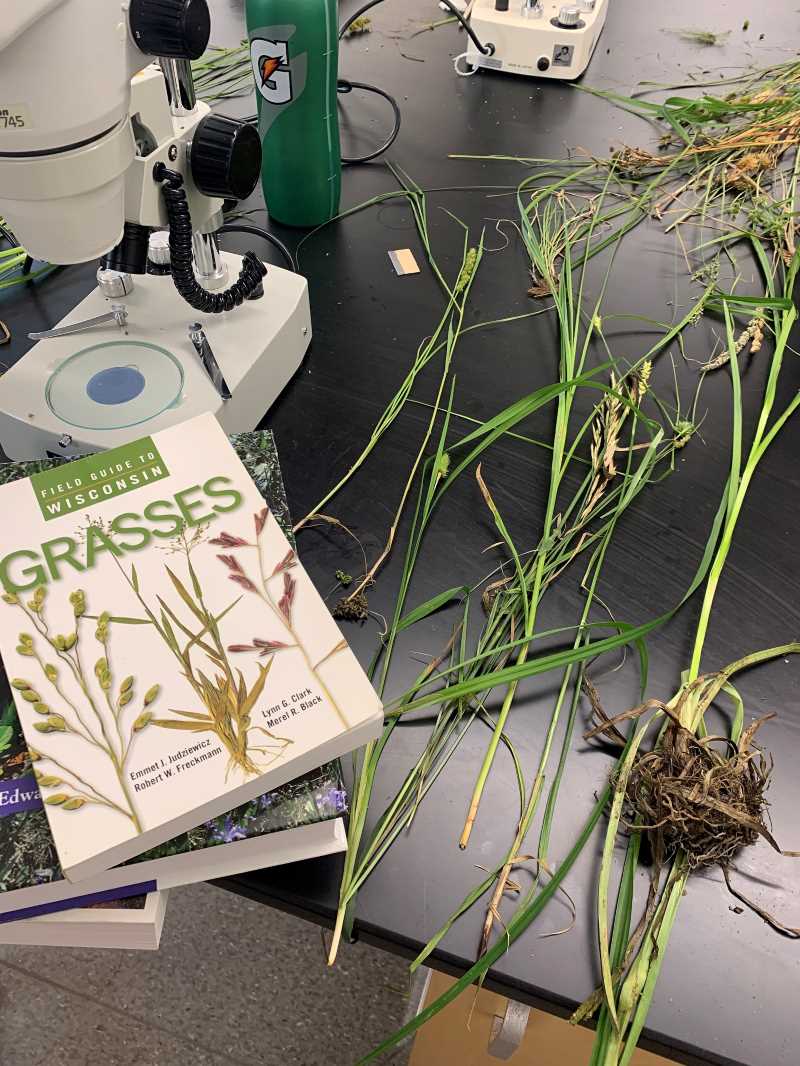
Laboratory exercises
|
| Time | Session Description |
| 8–8:30 a.m. | Sign in |
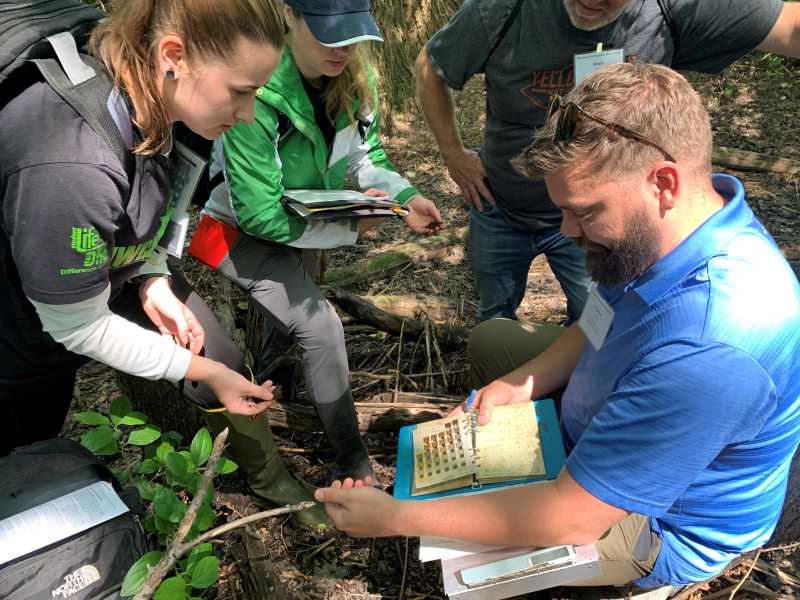
| 8:30 a.m.–4 p.m. | Field trip to observe and collect specimens at local wetland. Participants will have to travel by car to participate in the field trip. Carpooling is encouraged to the extent possible. Participants will travel by foot on uneven ground during the field trip. |
| Time | Session Description |
|---|---|
| 8–8:30 a.m. | Sign-in |
| 8:30–11 a.m. | Field trip to observe and collect specimens at local wetland. Participants will have to travel by car to participate in the field trip. Carpooling is encouraged to the extent possible. Participants will travel by foot on uneven ground during the field trip. |
| 11–Noon | Lunch |
| Noon–12:30 p.m. | Quiz |
| 12:30–3:30 p.m. |
Laboratory activities
|
| 3–3:30 p.m. | Wrap-up & training evaluation |
Lodging
Lodging:
Lodging information is forthcoming.
Instructors
Steve Eggers
Steve Eggers is a retired senior ecologist following a 42-year career with the U.S. Army Corps of Engineers regulatory program involving the Clean Water Act and Rivers and Harbors Act of 1899. He was a member of the National Advisory Team for Wetland Delineation that authored the ten regional supplements to the 1987 Corps of Engineers Wetlands Delineation Manual and was also a member of the National Technical Committee for Wetland Vegetation. Steve is co-author of Wetland Plants and Plant Communities of Minnesota and Wisconsin first published in 1987 and now in its third edition (2015). He has been teaching wetland delineation and wetland plant identification for more than 30 years.
Beth Paluch
Beth Paluch is an associate teaching professor in the biology department at UW-La Crosse. Her professional interests include plant and fungal ecology. Prior to coming to UWL, she spent almost ten years working as a restoration ecologist focusing on revitalizing prairies, wetlands, and savannas. Beth will be assisting with course and field logistics in La Crosse.
Pat Trochlell
Pat Trochlell is an ecologist working in wetland, prairie, and oak ecosystems. She retired from Wisconsin Department of Natural Resources (WDNR) after over 35 years working on wetland regulation, restoration, monitoring, and training. She currently conducts plant community inventories and assessments, teaches natural resource courses, and is on the Empire Sauk Chapter Board of The Prairie Enthusiasts. She is a Wisconsin Master Naturalist instructor and a state licensed hydrologist and soil scientist.
Parking
Parking
You will receive a confirmation email with parking information approximately 2 weeks prior to the event. You must register your vehicle using the instructions in your confirmation email.
FAQs
Frequently Asked Questions
Who should attend?
This workshop is intended for engineers, planners, scientists, resource managers, local and tribal officials, environmental professionals and others interested in understanding the basics of grasses, sedges, and rushes identification.
How will we get to field sites?
Participants will need to travel by car to field sites during the in-person portion of the class. Carpooling is encouraged to the extent possible. Participants will also have to walk a short distance (<0.5 miles) to reach field sites in some cases.
Accommodations
Due to the unique learning objectives of this workshop, accommodations will be reviewed on a case-by-case basis to ensure essential qualities learning outcomes of this workshop.
Do you offer any other wetland-focused workshops?
Yes, we will offer these additional wetland workshops in 2027.
| Date | Workshop |
| January 13, 2027 | Wisconsin Trout Stream Restoration Workshop |
| March 10, 2027 | Critical Insights for Wetland & Waterway Professionals |
| June 7-July 15, 2027 | Wetland Delineation - Waukesha (hybrid) |
| June 8-10, 2027 | Basic Plant Identification |
| June 28-August 5, 2027 | Wetland Delineation - La Crosse (hybrid) |